
Crawl Space Encapsulation Cost in 2026
A practical planning guide to crawl space encapsulation: headline cost range, scope checklist, budget drivers, quote comparison and a lightweight estimator.
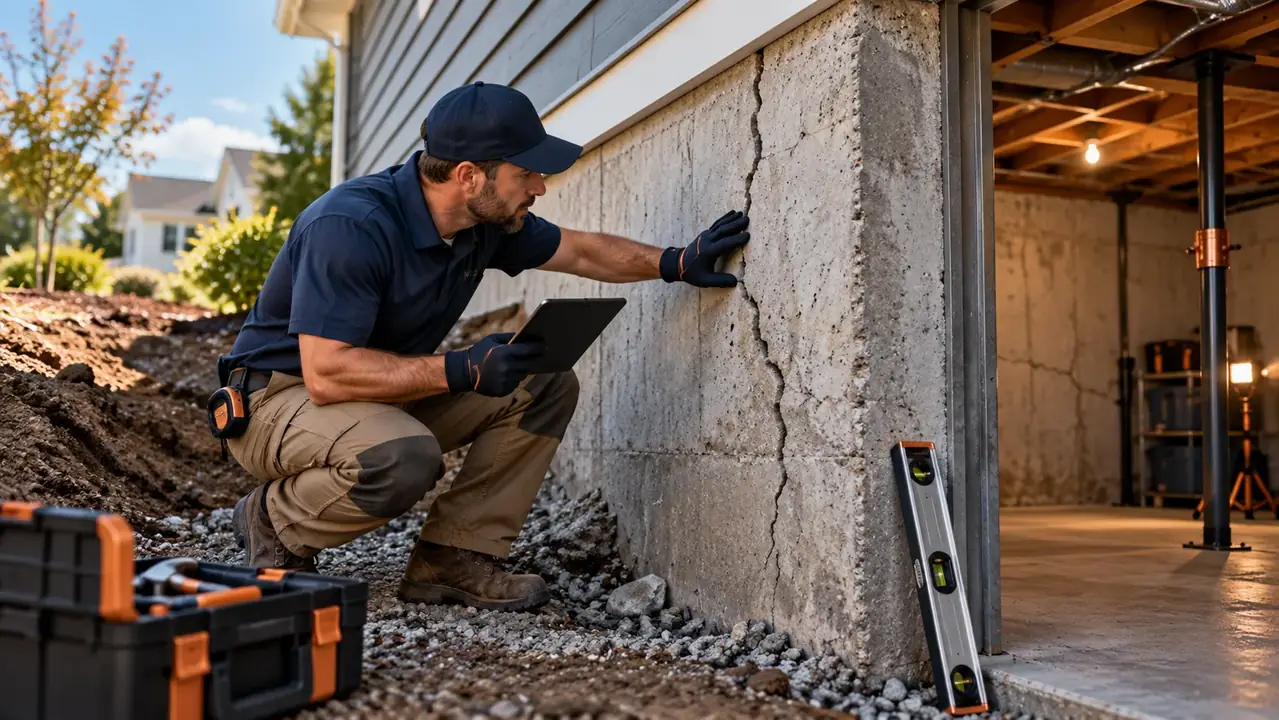
For 2026 budgeting, EscapeRoom.center uses a planning range of $3,000 – $10,000+ for crawl space encapsulation. Treat this as an orientation band, not a promised price. Local labor, property conditions, project size and the exact repair method can move a real proposal below or above the range.
For crawl space encapsulation cost, the decisive details are structural diagnosis, measured movement or damaged area, support or reinforcement method, soil and water conditions, temporary support. Those variables should be documented before treating any online range as comparable with a local proposal.
What should a complete Crawl Space Encapsulation Cost quote define?
A useful estimate starts with the work itself, not with a generic average. For this project, document structural diagnosis, measured movement or damaged area, support or reinforcement method, soil and water conditions, temporary support and make sure competing contractors are pricing the same assumptions.
- Structural diagnosis
- Measured movement or damaged area
- Support or reinforcement method
- Soil and water conditions
- Temporary support
- Permit or engineering requirements
- Finish restoration
Also confirm who is responsible for permits, site protection, debris removal, testing, temporary services and restoration of surfaces opened to reach the work. Those items often explain why two proposals with similar trade work have very different totals.
The published range is an editorial planning band. It helps establish order of magnitude, while the sections below identify the trade-specific details that move a real property toward the low, middle or high end.
Crawl Space Encapsulation estimator
Use these factors to see how a straightforward project can shift relative to the baseline planning range. This does not calculate a contractor quote.
Seven cost variables behind a Crawl Space Encapsulation Cost quote
Engineering and permits
Structural work may require design, calculations, permit review and inspections depending on the jurisdiction. Clarify whether it is included, excluded or carried as an allowance.
Drainage correction
Roof runoff, grading or hydrostatic pressure may need separate correction so the structural repair is not addressing only the symptom. Clarify whether it is included, excluded or carried as an allowance.
Support quantity and depth
Pier count, reinforcement length, beam size or underpinning depth directly affect labor, equipment and materials. Clarify whether it is included, excluded or carried as an allowance.
Finish restoration
Drywall, flooring, masonry, landscaping and coatings disturbed by the work may be excluded from the core quote. Ask for this assumption in writing.
Access and shoring
Low crawl spaces, finished basements, tight lots and temporary support can add setup time and hand labor. Clarify whether it is included, excluded or carried as an allowance.
Diagnosis and repair design
Visible symptoms can have different causes, so the selected structural remedy can change the budget more than the symptom itself. Clarify whether it is included, excluded or carried as an allowance.
Soil and groundwater
Expansive soil, soft fill, frost and groundwater can change excavation requirements and the repair system that is appropriate. Clarify whether it is included, excluded or carried as an allowance.
For crawl space encapsulation cost, pay particular attention to structural diagnosis, measured movement or damaged area, support or reinforcement method, soil and water conditions, temporary support. If those items are undefined, a price comparison may look precise while still comparing different scopes.
How scope changes the budget
Contained and accessible
Limited quantity, clear diagnosis, straightforward access and little surrounding restoration.
Usually trends toward the lower endMeasured standard project
Normal access, documented quantities, common materials or equipment and routine permit/restoration needs.
Often sits within the central bandHidden conditions or difficult logistics
Large quantity, specialty method, difficult access, occupied-space constraints or code-driven upgrades.
Can exceed the headline rangeFor crawl space encapsulation cost, ask each contractor which of these conditions the proposal assumes. That context is more useful than comparing a single total with a national average.
Price chart and comparison view
This visual summary makes the planning range easier to interpret. It is meant to complement the written guidance and help compare low, typical and higher-scope scenarios at a glance.
A lightweight chart showing how limited, typical and extensive versions of the same project can move within the published band.
The chart is illustrative rather than predictive. Real proposals can sit outside the published band when hidden conditions, access issues or extra restoration work are involved.
Often associated with simpler access, limited scope and fewer restoration tasks.
A middle-budget view for common residential or property-manager planning.
Usually reflects added complexity, larger scope or higher restoration needs.
| Cost driver | Why it changes the price |
|---|---|
| Diagnosis / engineering | May be optional on simple cracks; often essential on movement cases. |
| Access and excavation | Costs rise when exterior access, soil removal or shoring is needed. |
| Repair method | Underpinning, piers and structural reinforcement move budgets fastest. |
| Drainage / waterproofing | Often added when water pressure contributes to movement or moisture. |
A bid checklist that exposes missing scope
Normalize structural diagnosis, measured movement or damaged area, support or reinforcement method, soil and water conditions, temporary support. Mark each line as included, excluded, allowance or unknown. This usually explains much of the price spread before you judge one contractor as cheap or expensive.
Also ask how hidden conditions and change orders are handled. For crawl space encapsulation cost, a detailed written scope is more valuable than a one-line lump sum because it shows where risk has been included and where it has been left to the owner.
Why location can materially change this project
A national range cannot capture soil, groundwater, frost depth and structural practice. Those conditions can change both the selected method and the final price of crawl space encapsulation cost.
Give local contractors the same photos, measurements and written scope. If one proposal sits far outside the others, ask whether the difference comes from method, quantity, materials, omitted restoration or a local requirement rather than assuming the number alone proves better value.
Questions to answer before you hire
What should I define before pricing crawl space encapsulation cost?
Document structural diagnosis, measured movement or damaged area, support or reinforcement method, soil and water conditions, temporary support. These details determine whether two estimates are truly comparable.
Why can contractor quotes differ so much?
They may include different quantities, methods, allowances, restoration, permit costs or risk for hidden conditions. Compare inclusions line by line.
When is an inspection especially important?
An inspection matters when diagnosis is uncertain, hidden conditions are likely or crawl space encapsulation cost affects regulated or safety-critical building systems.
Should I automatically choose the lowest bid?
No. Check scope, qualifications, exclusions, warranty, permits, cleanup, restoration and change-order terms before using price as the deciding factor.
Is the calculator on this page a contractor estimate?
No. It is an editorial budgeting aid and cannot inspect the property, select a repair method or account for local pricing and code requirements.
Useful internal links
Continue with these closely related planning resources:
How this Crawl Space Encapsulation Cost guide is produced
EscapeRoom.center treats cost information as planning guidance rather than a bid. We organize this page around measured scope, trade-specific cost drivers and the practical differences between limited, typical and complex work. The published range is an editorial synthesis; it is not presented as a figure issued by a government agency or trade association.
For technical context, we favor public agencies and established safety or efficiency programs. These references help define good-practice considerations but do not validate a specific contractor price.
- FEMA Building Science — technical or consumer context relevant to this category.
- HUD Healthy Homes — technical or consumer context relevant to this category.
Before contracting crawl space encapsulation cost, obtain local pricing and confirm applicable permits, licensing and inspection requirements. Use appropriately qualified professionals whenever the work affects structural stability, electrical safety, combustion, contaminated water, mold, fire damage or other regulated conditions.
See our Editorial Policy and Disclaimer.